
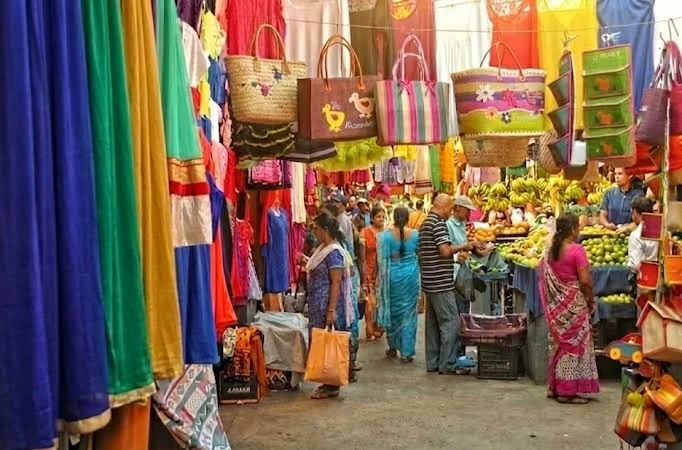
Walk through the Rose-Belle market on a Sunday morning and you’ll see it straight away.
Vendors calling out prices. Regulars haggling. Trust built one sale at a time, face to face.
Now open TikTok. You’ll see the exact same thing. A live seller holds up a dress, calls out a price, takes orders in the comments and haggles in real time. Same energy. Same instincts. Different screen.
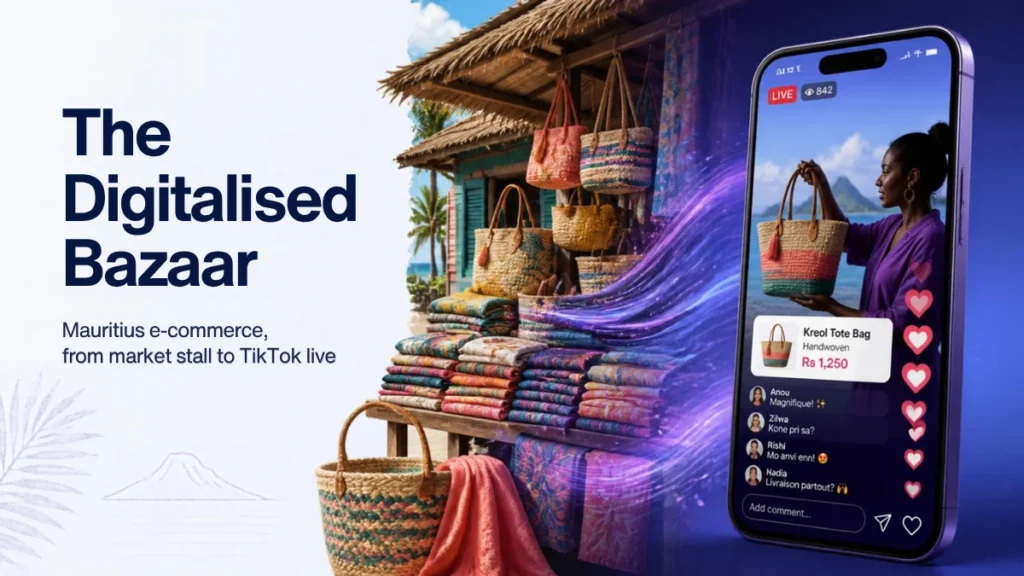
That’s what online shopping in Mauritius looks like right now, and I don’t think there’s a better way to describe it: we’re building a digitalised bazaar. Not a retail media ecosystem. Not yet, anyway.
In this article, I’ll show you where the market really stands, what retail media is, what quietly made online buying normal here, and what has to change next.
Key takeaways
- E-commerce in Mauritius is small but growing: about US$36 million in 2025, with 5 to 10% growth expected in 2026.
- Retail media is the advertising layer inside online shopping. Mauritius isn’t there yet, but the foundations are forming.
- Mobile payments, led by MCB Juice (420,000+ subscribers, 7 million+ transactions a month), quietly made online buying normal.
- Most social sellers run a digitalised bazaar: strong hustle, but little structure, service or brand.
- The next winners will be the sellers who build service, reliability and trust, not just more followers.
Online shopping in Mauritius: small market, real momentum
Let’s start with the numbers, because they tell a story of quiet but real momentum.
According to ECDB, e-commerce revenue in Mauritius reached roughly US$36 million in 2025, after growing 10 to 15% on the year before. The projection for 2026 is another 5 to 10%.
That’s not Amazon scale. It was never going to be, in a market of around 1.3 million people.
But it’s not nothing either. Mauritius has crossed a threshold. There’s now enough activity that brands, platforms and regulators all have to pay attention to how buying and selling really happens online here.
Which brings us to a term you’ll hear a lot more over the next few years: retail media.
What is retail media, and how is it different from e-commerce?
In Mauritius, “e-commerce” is the word everyone knows. It simply means buying things online instead of in a shop.
Retail media is the advertising layer on top of that. It’s the promotion that happens inside the shopping experience itself:
- The sponsored product that appears first when you search an online store
- The banner in a supermarket app pushing this week’s promotion
- The “recommended for you” carousel that’s really a paid placement
In short, brands pay the platform you’re already shopping on to reach you at the exact moment you’re deciding what to buy. And because the retailer knows what you browse and buy, those ads can be very precise. That’s why first-party data sits at the heart of every retail media business.
To get there, a market first needs the plumbing: payments, logistics and trust, all working together at scale. And that’s exactly where the Mauritian story gets interesting.
What powered the shift: MCB Juice and mobile payments
Ask people what made online buying normal in Mauritius and they won’t say “e-commerce platforms.”
They’ll point to their phone. More specifically, to mobile payment apps, and MCB Juice has been the biggest force behind that shift.
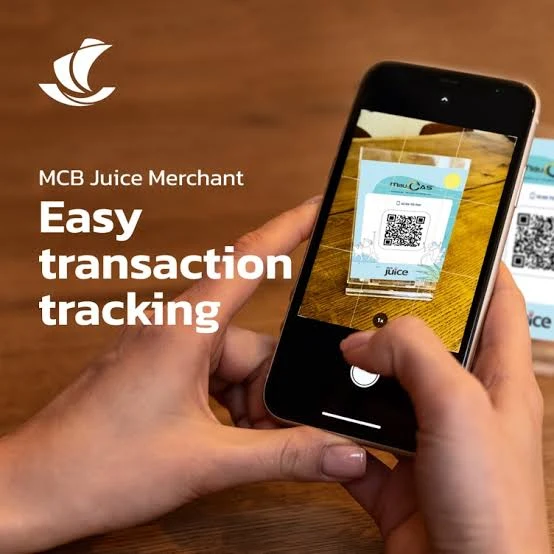
MCB Juice now has more than 420,000 subscribers and processes over 7 million transactions every month, according to Peach Payments, one of its payment partners. For a population of around 1.3 million, that’s critical mass.
No cash. No card terminal. A QR code on the counter and a few taps on a phone.
Here’s my take: payment infrastructure is almost always the unsung hero of e-commerce growth, and Mauritius is a textbook case.
You can build the best online shop in the world, but if people don’t trust digital payments, none of it matters. Juice, along with similar moves from SBM and other banks, quietly built the readiness that online shopping, and eventually retail media, can now build on.
The digitalised bazaar: where online selling in Mauritius really is
The stats only tell half the story. Here’s the other half.
Spend some time watching how Mauritian sellers operate, especially the wave of TikTok live sellers, and you’ll notice something.
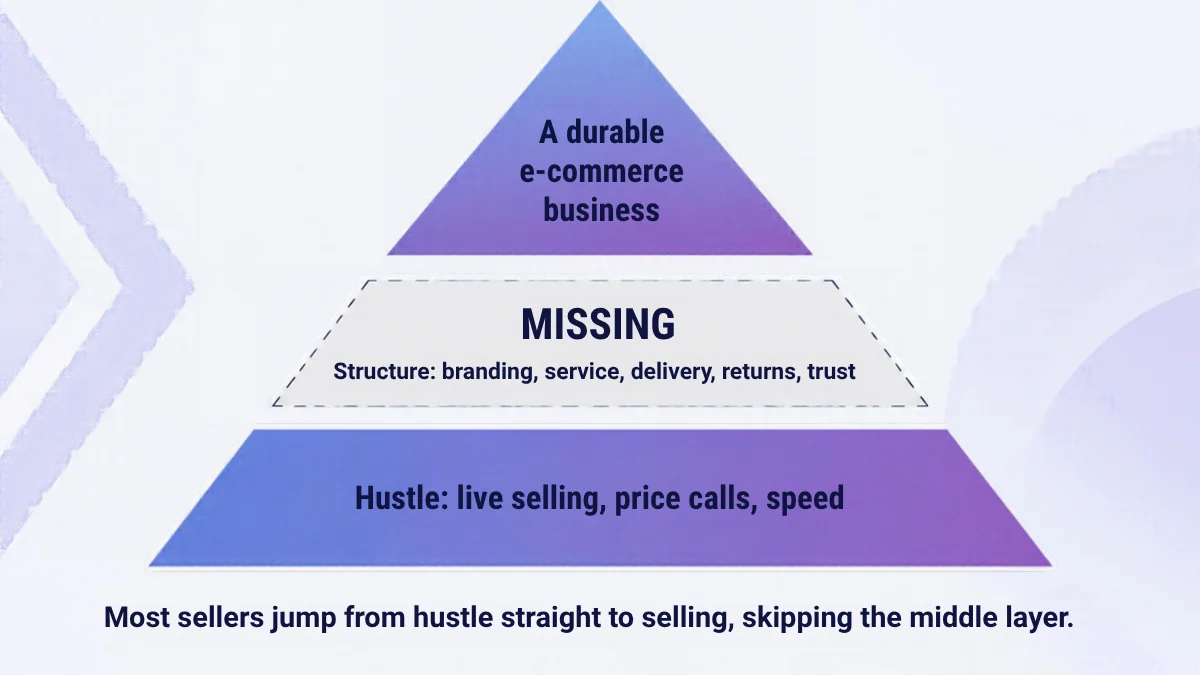
Most of them aren’t running e-commerce businesses in the structured, branded sense. They’re running a bazaar stall, rebuilt on a digital stage. Same instincts: price it, call it out, sell it live, move fast.

What’s missing is the layer that turns a stall into a brand:
- Consistent service and clear delivery times
- Simple returns and after-sales support
- A repeatable customer experience
- Something you can trust without having watched the seller live
You can see this gap clearly in one telling fact: TikTok Shop isn’t available in Mauritius. It currently runs in around 20 countries, and none of them are in Africa (PhotonPay).
So sellers improvise. They take buyers from a TikTok live straight into WhatsApp to close the sale by hand. Some even register a business abroad just to get access to commerce tools.
That’s not a small workaround. It’s a market assembling its own infrastructure in real time, seller by seller, deal by deal.
From bazaar to brand: what Mauritian sellers need next
For a market this size, a full Western-style retail media model, with sponsored listings, ad auctions and data-driven targeting, isn’t realistic in the short term. The volume isn’t there yet.
But that doesn’t mean sellers should wait. The ones who win the next few years will be those who build the middle layer now:
- Make buying predictable. Clear prices, delivery times and a simple returns promise, written down and repeated in every live.
- Move beyond WhatsApp chaos. A simple order form or catalogue makes it easier to track orders, follow up and serve customers properly.
- Collect your own customer data. Names, numbers and preferences you own, with consent, so you’re not starting from zero every live. A zero-party data strategy is a good place to start.
- Turn followers into a brand. A consistent name, look and tone, so people recognise and trust you even when you’re not live.
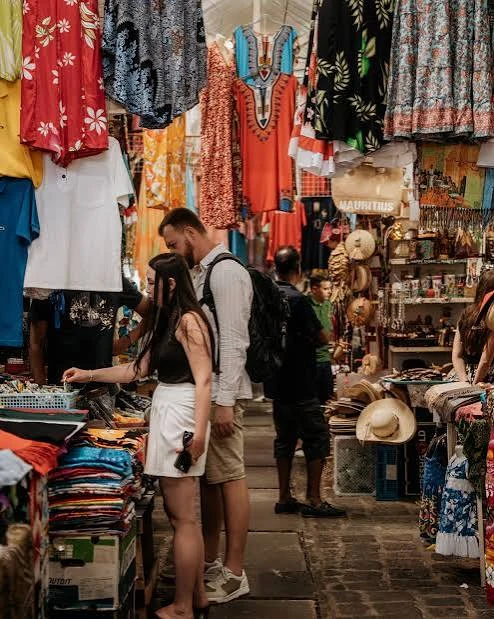
In the end, service, reliability and consistency are what separate a real e-commerce business from a live bazaar stall on an app. Not the platform you sell on.
What could reshape online shopping in Mauritius
Two things are worth watching closely.
1. Taxing foreign digital players
Ultra-cheap imports from platforms like Temu and AliExpress have squeezed local merchants who carry real costs: rent, staff and local taxes.
The 2026-2027 Budget proposes taxing non-resident ICT companies that serve Mauritian customers. If the pricing gap with foreign platforms narrows, local sellers who compete on more than price will benefit most.
2. Mauritius Post and the parcel economy
Mauritius Post has had to move from letters to parcels to keep up with online shopping, and the same import and tax shifts reshaping retail will reshape it too.
It’s a small example with a big message: even the delivery layer of Mauritian e-commerce is still being rewritten.
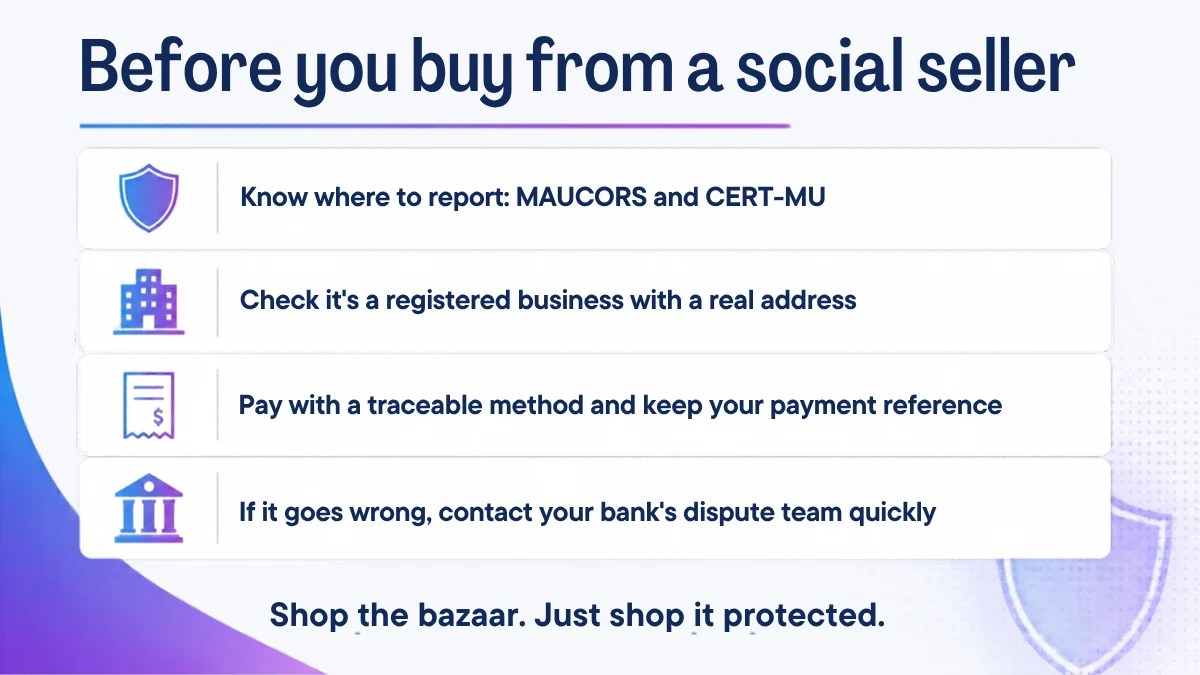
How to shop safely from social sellers in Mauritius
As more buying happens through informal social sellers rather than registered businesses, one truth is easy to forget: if something goes wrong with an unregistered seller, you often have no real recourse. No registration to chase. No formal complaints process. Just a hope that they reply to your message.
Before you buy:
- Know where to report. MAUCORS, the Mauritian Cybercrime Online Reporting System, lets you report online scams and fraud. CERT-MU, the national computer emergency response team, publishes alerts and advice.
- Check who you’re buying from. A registered business has a paper trail and accountability. A friendly social seller often doesn’t.
- Pay in a traceable way. Keep your payment reference for every purchase.
- Use your bank. If a purchase goes wrong, contact your bank’s dispute team quickly with your transaction details.
Frequently asked questions
What is retail media?
Retail media is advertising inside a shopping platform, such as sponsored products in search results, promoted banners in a supermarket app or paid “recommended for you” placements. Brands pay the retailer to reach shoppers at the moment they decide what to buy.
Is online shopping in Mauritius growing?
Yes. According to ECDB, e-commerce revenue in Mauritius was about US$36 million in 2025, up 10 to 15% on the year before, with another 5 to 10% growth projected for 2026.
Is TikTok Shop available in Mauritius?
No. TikTok Shop runs in around 20 countries and none of them are in Africa. Mauritian sellers usually sell through TikTok lives and close orders on WhatsApp instead.
How can Mauritian social sellers grow into real brands?
Make buying predictable with clear prices, delivery times and returns, move orders out of chat into a simple system, collect customer data with consent, and keep a consistent brand so people trust you even when you’re not live.
How can I report an online scam in Mauritius?
Report it on MAUCORS, the Mauritian Cybercrime Online Reporting System, and contact your bank quickly with your transaction reference if you paid digitally. CERT-MU also shares alerts and advice.
The bottom line
Online shopping in Mauritius has the energy. Payments are ready. What’s missing is structure.
Retail media will come, but only once enough sellers move from bazaar to brand. The businesses that build service, reliability and trust today will be the ones that own that future.
The digitalised bazaar is just the beginning.
Ready to move from bazaar to brand?
I help Mauritian businesses build the structure behind their online sales: tracking, ads, automation and customer journeys that scale. Tell me about your project and I’ll come back to you within 24 hours.