Beyond Segmentation: The Era of the Segment of One
Traditional personalisation divided audiences into segments, broad buckets of people who shared some characteristics. Messaging was tailored to the bucket. In 2026, AI has collapsed the segment size to one.
Every individual user can now receive a version of your message, in the right format, at the right moment, on the right platform, with the right creative, built specifically for them. Not their demographic. Them.
This is hyper-personalisation at scale, and it’s no longer a capability reserved for tech giants with custom ML infrastructure. It’s available through the platforms you’re already using.
How It Works in Practice
The mechanics are built on three interconnected AI systems working simultaneously:
Signal ingestion: AI continuously reads behavioural signals, what content a user engages with, their purchase history, browsing patterns, device, location, time of day, and cross-platform activity. This builds an individual behavioural profile that updates in real time.
Predictive intent modelling: Based on accumulated signals, AI predicts what a specific person is most likely to need or want in this precise moment, not based on who they are demographically, but on what their current behavioural pattern suggests.
Dynamic creative delivery: The right message, sometimes AI-generated on the fly, sometimes selected from a creative library, is matched to that predicted intent and delivered at the moment of highest receptivity.
The performance differential between segment-based and individual-level personalisation is measurable and significant. Campaigns leveraging true behavioural personalisation consistently show 40 60% higher engagement rates and 25 35% better conversion rates compared to segment-based approaches. The critical variable is data quality, garbage signals produce irrelevant personalisation that actively damages brand perception.
Where Hyper-Personalisation Is Having the Biggest Impact
Email marketing: AI-driven send-time optimisation, subject line personalisation, and dynamic content blocks are lifting open rates by 20 30% for brands doing it well. Every element of the email, from the hero image to the CTA, adapts to the individual recipient.
Paid social: Meta’s Advantage+ Creative automatically adapts ad creative, testing different text, images, and formats, for different users within the same campaign. Combined with Dynamic Product Ads, every user sees the most relevant products in the most engaging format for them.
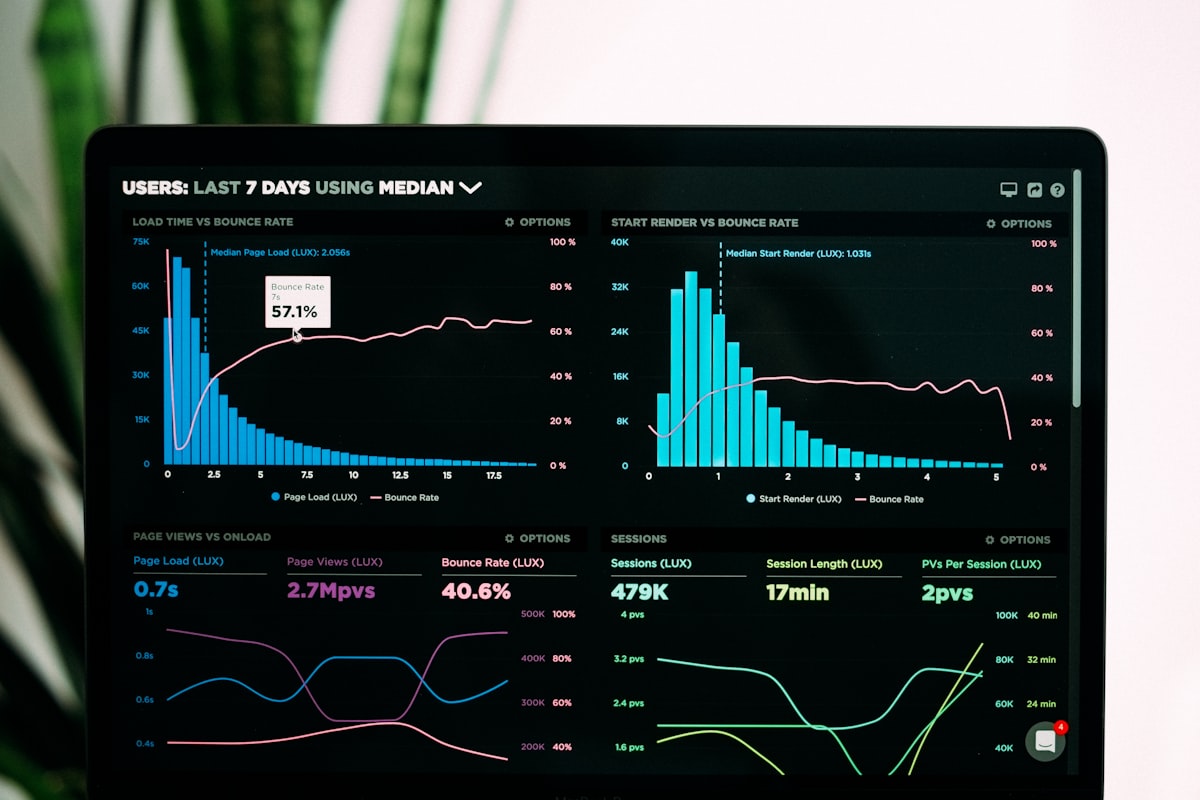
Website experience: Personalised landing pages, dynamic hero content, and AI-curated product recommendations are significantly reducing bounce rates and improving on-site conversion.
Conversational AI: Chatbots and AI assistants now maintain context across interactions, remembering preferences and purchase history to deliver genuinely helpful, personalised guidance rather than generic scripts.
The Strategic Shift Required
- Creative production at volume: You need more raw creative assets, not fewer. AI needs material to work with. Invest in modular creative systems, interchangeable headlines, visuals, and CTAs that can be assembled in thousands of combinations.
- First-party data infrastructure: Hyper-personalisation depends on quality data signals. Build your first-party data collection systematically, email lists, CRM integration, loyalty programmes, preference centres.
- Measurement evolution: Last-click attribution is useless for evaluating personalisation impact. Move to multi-touch attribution and incrementality testing to understand the real contribution of personalised experiences.
- Privacy by design: With personalisation comes responsibility. Explicit consent, transparent data use, and clear value exchange for data sharing are not just legal requirements, they’re brand trust investments.